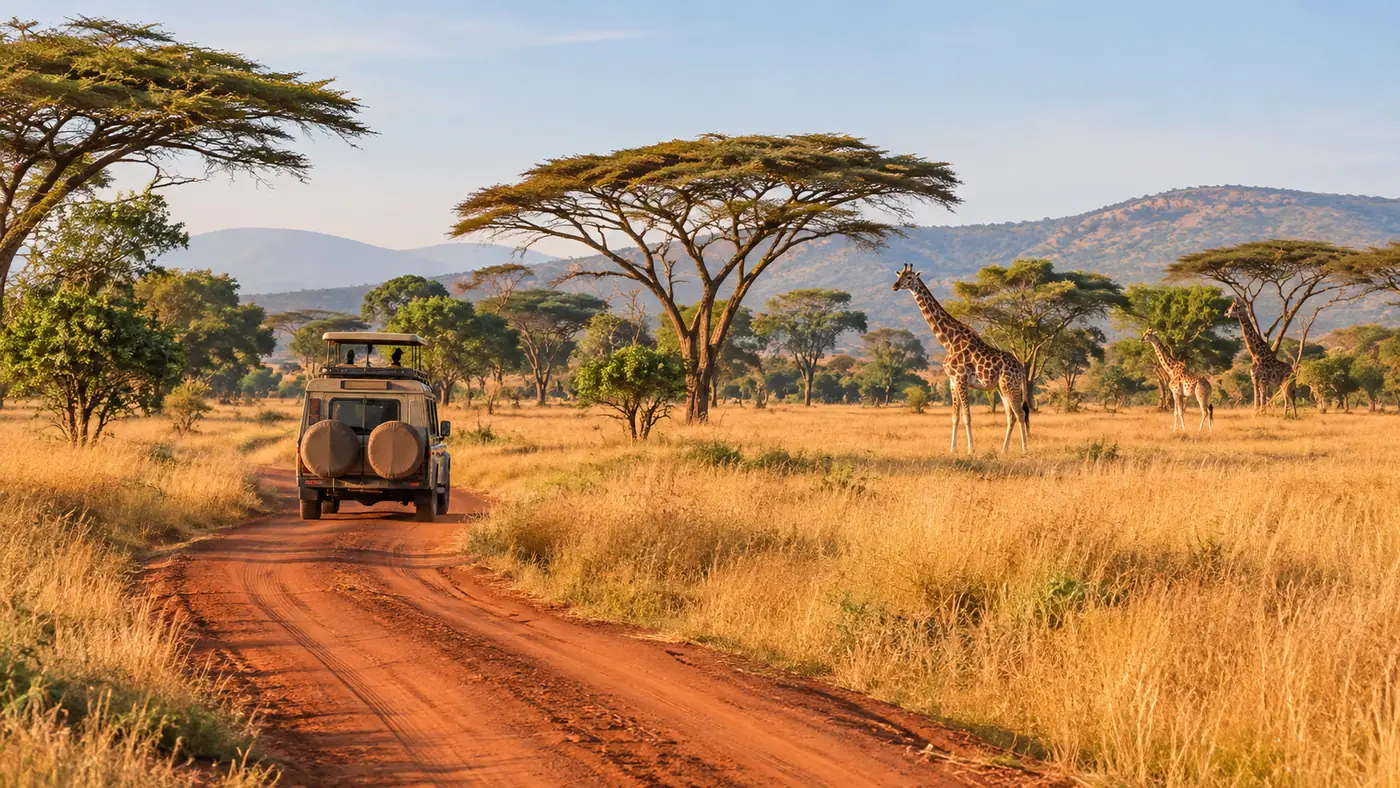
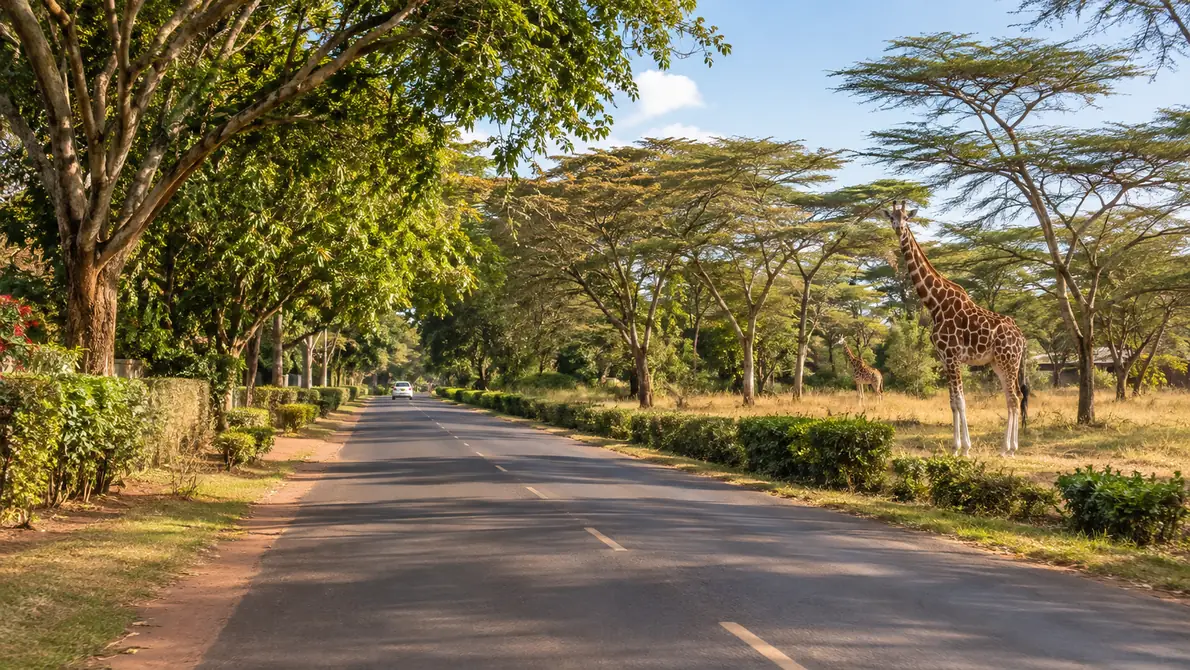
Booking choice: The park, baby elephants and giraffes tour, from $35 per person. Check dates Tour details
Ask three governments about Nairobi and you get three tones of voice. All of them agree on the same practical points: use a known driver or app rather than a car off the street, keep valuables out of sight, avoid walking after dark, and stay out of a few named neighbourhoods. None of them is a stop on a Giraffe Centre tour.
Below: the current advisories with their dates, walking and getting around, the attractions themselves, health, entry paperwork, the plastic bag ban, and when to go.
The quick answer
The US advisory for Kenya is Level 3, Reconsider Travel (US Embassy, October 2026); Canada says exercise a high degree of caution (15 October 2026); the UK does not advise against travel to Nairobi (30 October 2026). Use hotel pickup or a reputable app, avoid walking after dark, and check your own government's advice before you fly.
Is Nairobi safe for tourists in 2026?
There is no single answer: the US rates Kenya Level 3, Canada asks for a high degree of caution and the UK does not advise against travel to Nairobi. All three name crime as the main risk in the city and single out a few neighbourhoods.
The advisories as they stood on 3 November 2026:
| Government | Kenya rating | Nairobi notes | Date |
|---|---|---|---|
| United States | Level 3, Reconsider Travel | Eastleigh and Kibera: Level 4, Do Not Travel | October 2026 (US Embassy alert) |
| Canada | Exercise a high degree of caution | Avoid non-essential travel to Kibera | 15 October 2026 |
| United Kingdom | No advice against travel to Nairobi | Higher risk in Eastleigh, the CBD, Mathare, Kibera and other informal settlements | 30 October 2026 |
The US Embassy in Nairobi gives health, crime, kidnapping, terrorism, unrest and traffic safety as the reasons for Level 3; check travel.state.gov for the current level before you go. The UK and Canada both describe violent crime in large cities, including mugging and armed robbery, and ask visitors to stay alert.

Is it safe to walk around in Nairobi?
By day, in busy areas and with care. The UK advises against walking alone in isolated areas, even in daylight, and Canada says avoid walking outside after dark.
Practical habits, taken from the UK and Canadian advice:
- Don't walk after dark: take a car, even for short distances.
- Avoid isolated paths alone: the UK says this applies in daylight too.
- Tell someone your plans: where you are going and when you'll be back.
- Keep valuables out of sight: phones and cameras away when you're on the street.
- Know the named areas: Canada asks for extra care in the CBD, Eastleigh, Pangani, Mathare and Kibera.
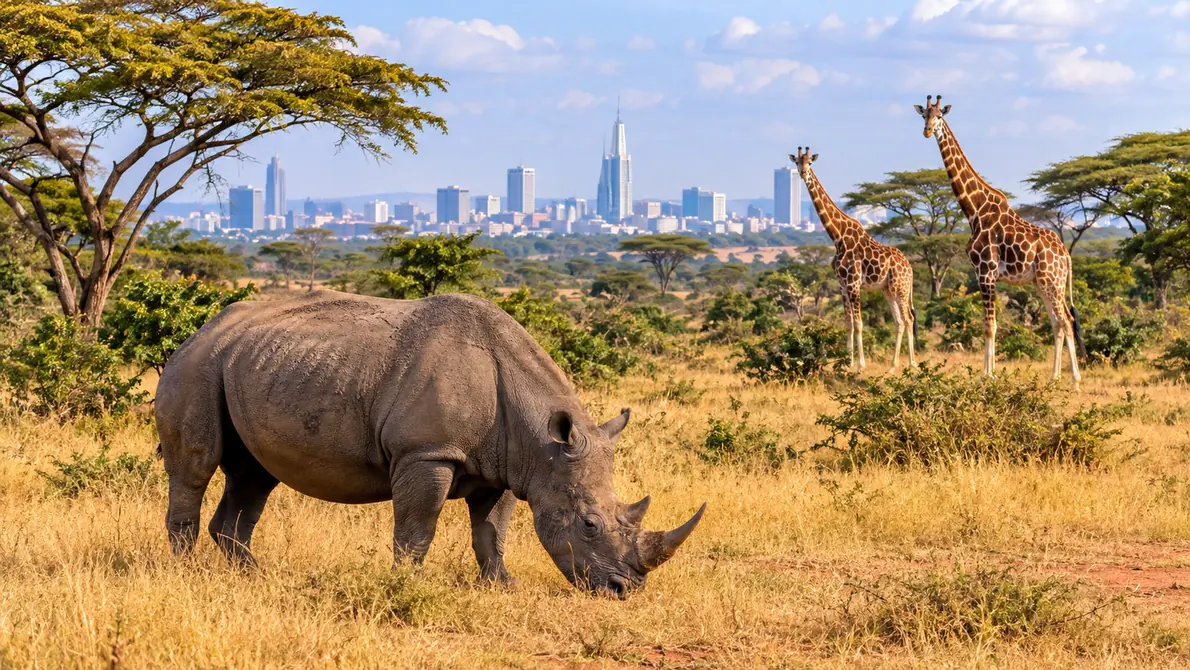
The sights on a Giraffe Centre day are a different setting: the centre, the nursery and the park are managed sites in the green south-west of the city, and on a tour you go door to door in the vehicle.
How do you get around Nairobi safely?
Use a car your hotel books, an airport taxi kiosk, or a reputable ride-hailing app, and check that the plate matches the app. Don't hail cars on the street.
The US advice is short: avoid hailing taxis on the side of the road, and use taxi services your hotel recommends or one from an airport kiosk. Canada adds:
- Check the licence plate against the one in the app before you get in.
- Skip cars that already carry a passenger.
- Avoid boda boda motorbike taxis and tuk-tuks.
- Turn down rides from strangers or new acquaintances.
For the animals, the easiest answer is hotel pickup. Every tour on this site collects you in Nairobi, so you never stand at a roadside waiting for a car. Tracey said of her driver on the private safari: "An excellent and careful driver in the Nairobi traffic." (Sep 2024) Dave, on the park, orphanage and giraffes day, praised the "timely and reliable hotel pickup" (Oct 2026).
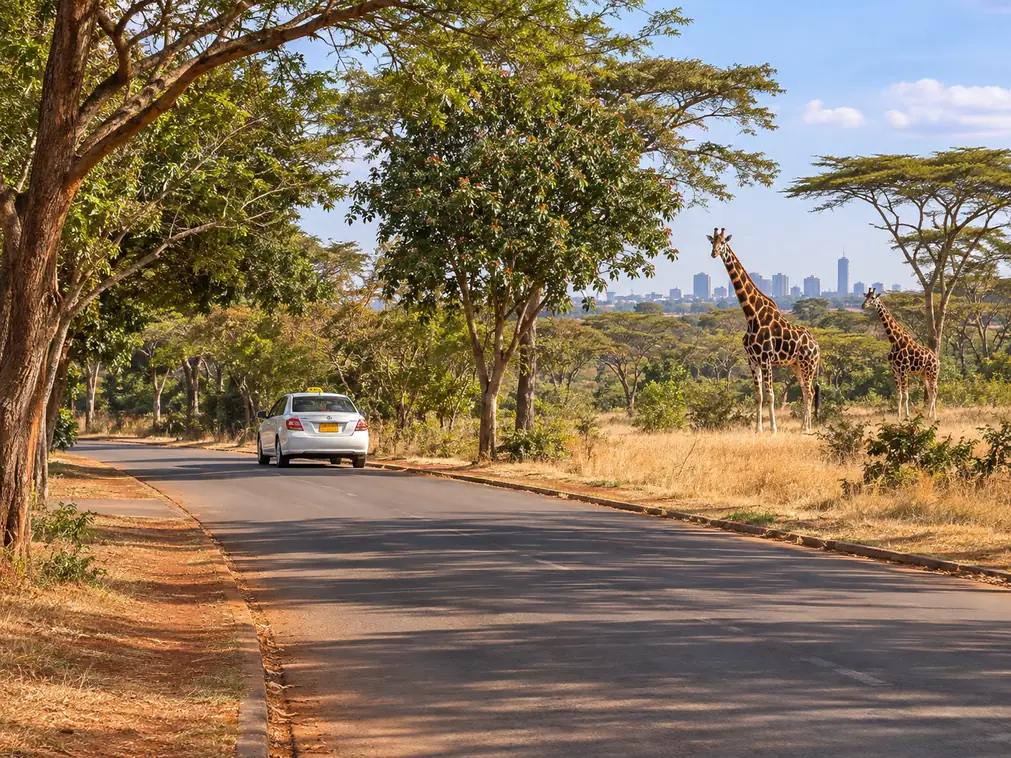
Hotel pickup from 5:20am, a driver-guide all morning and drop-off at your door after the giraffes.
Check dates for the park, baby elephants and giraffes tourAre the Giraffe Centre, the elephant nursery and the park open and safe to visit?
All three are open as usual. The Giraffe Centre's website shows "We are open", the nursery runs its 11am visit daily, and no closure is announced for the park.
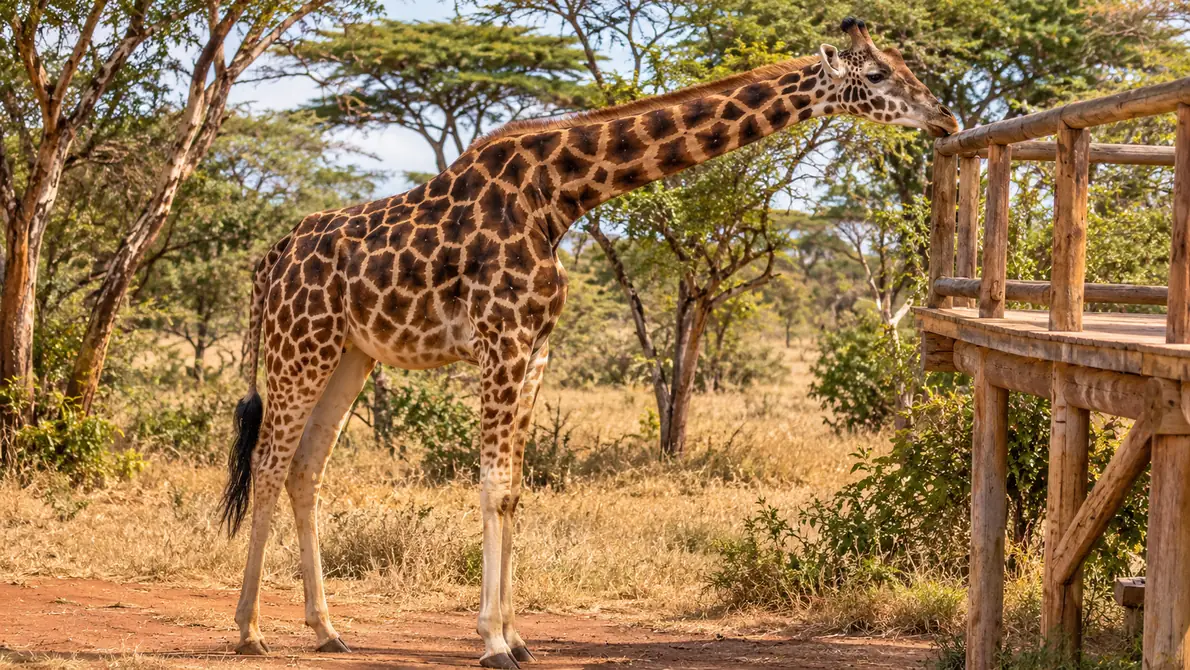
The Giraffe Centre opens 9am to 5pm every day, weekends and public holidays included. Educators hand you the pellets and show you how to feed from the platform. The centre reserves the right of admission and does not allow protests or advocacy events on its grounds.
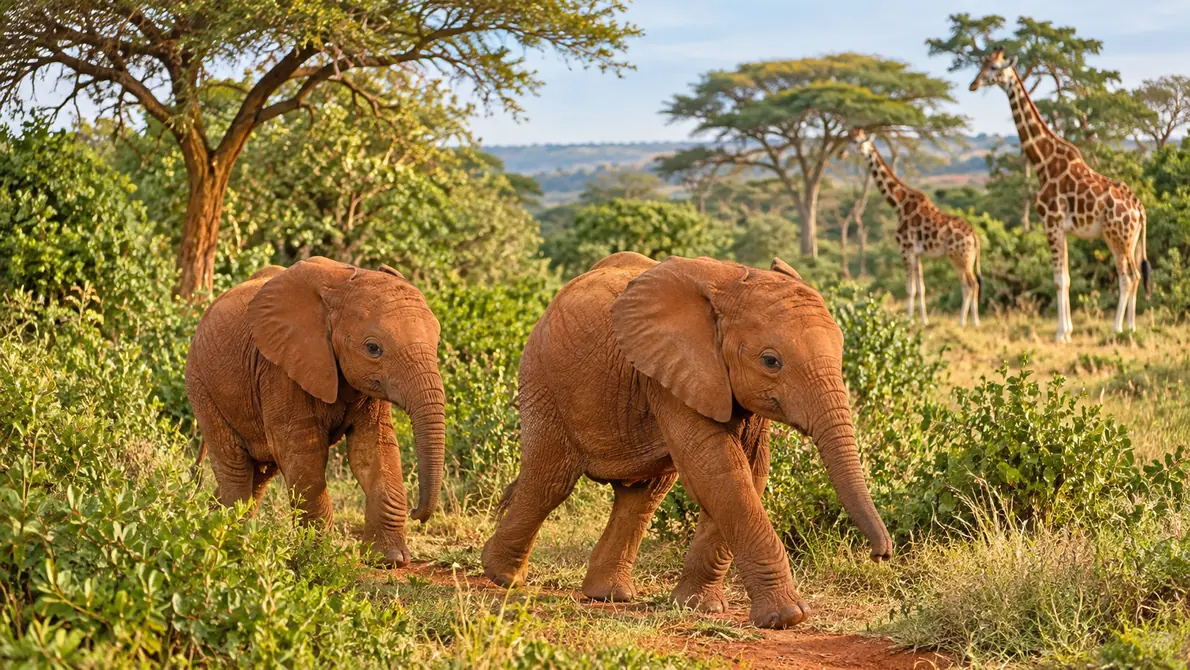
The Sheldrick nursery's public visit runs from 11am to noon every day except 25 December, by advance booking only. In the park, your driver-guide decides where the vehicle stops; follow the guide's lead at sightings.
Our Giraffe Centre tickets guide covers the visit itself.
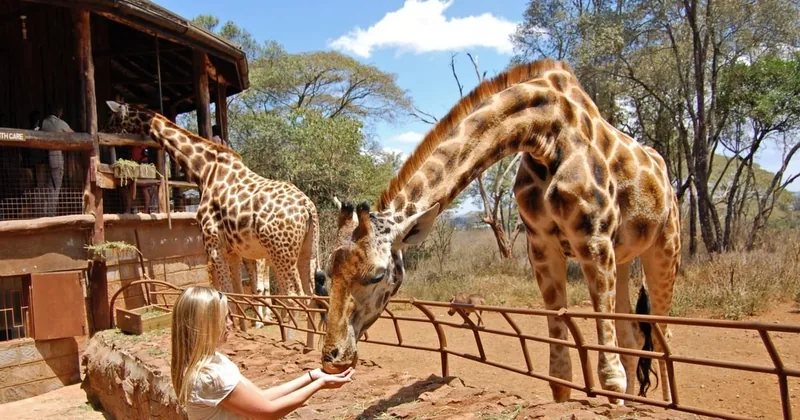
The nursery slot reserved for you and both entry fees paid, with pickup at your hotel.
Explore the elephants and giraffes tour with fees included Tour detailsWhat health advice applies to Nairobi in 2026?
Follow your own government's health advice, check your vaccinations, and carry yellow fever proof if you arrive from a country with yellow fever risk.
In October 2026 Kenya confirmed a small Ebola (Bundibugyo) cluster linked to one imported case; WHO reported no evidence of transmission outside that cluster and advised against travel restrictions (WHO, 23 October 2026). Check your government's health advice before you travel.
The US advice for Kenya asks for proof of yellow fever vaccination if you arrive from a country where the disease is endemic. Travel insurance with medical cover is sensible for any safari trip, and it is now part of the eTA application (see below).
What do you need to enter Kenya?
A passport valid for at least 6 months, an approved Electronic Travel Authorisation (eTA) applied for before you fly, and ID on you while you travel.
- The eTA: all travellers submit their details before departure on Kenya's official eTA site. It recommends applying at least 2 weeks ahead; processing usually takes about 3 working days. Citizens of Burundi, DR Congo, Rwanda, South Sudan, Tanzania and Uganda are exempt for stays up to 180 days.
- Documents for the eTA: passport, a photo, contact details, your arrival and departure plans and an accommodation booking.
- Health insurance: Canada's advice says that since 5 October 2026 the eTA application includes mandatory travel health insurance.
- Passport pages: the eTA site asks for one blank page; the US advice asks for 2.
- ID on the street: the UK says you must always carry ID; a copy of your passport is normally acceptable, though police may insist on the original. For Nairobi National Park, bring the passport itself.
What is Kenya's plastic bag ban, and does it apply to tourists?
Yes. Using, making or importing plastic carrier bags is illegal in Kenya, tourists included, with fines of up to US$40,000, prison of up to 2 years, or both.
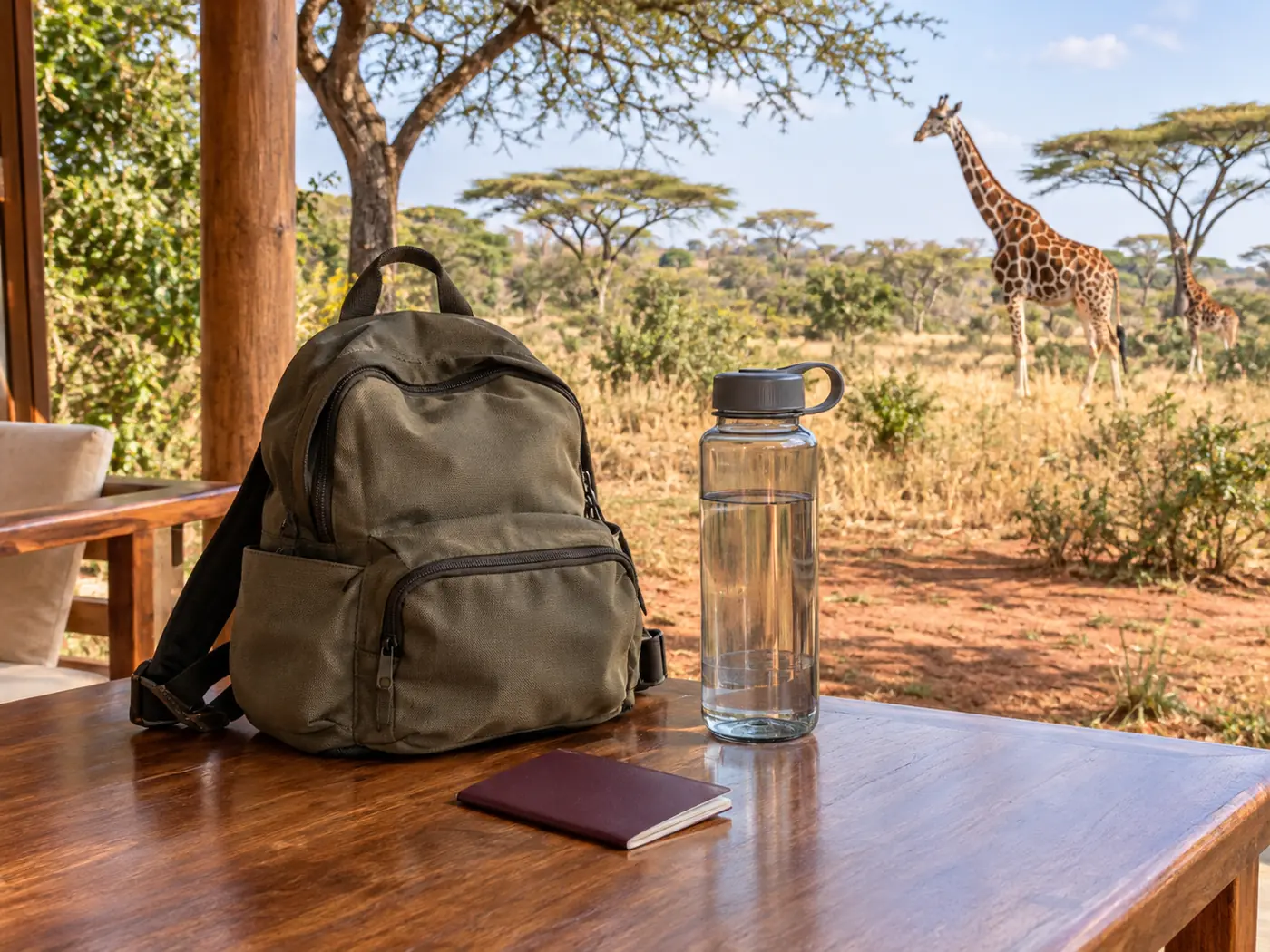
That is the figure in Canada's travel advice. Pack shopping in a cloth or paper bag and leave plastic carriers at home. KWS also bans single-use plastic in national parks and asks visitors to carry their rubbish out, so a refillable bottle beats a plastic one on the game drive.
Feed the giraffes, see the elephants and drive the park with a local guide, from your hotel door.
Check dates for the park, orphanage and giraffes dayWhen is the best time to visit Nairobi?
January to February and June to September are the drier months. The Kenya Meteorological Department's two rainy seasons run March to May and October to December.
The Kenya Meteorological Department (KMD) calls March to May the long rains, the main rainy season, usually peaking in April. October to December brings the short rains, which give Nairobi over 30% of its yearly rain. For late 2026, KMD's seasonal forecast of 31 August expected above-average rain for Nairobi, starting in the second or third week of October and continuing into January.
Rain need not stop the day. The Giraffe Centre opens every day of the year, and tours on this site offer free cancellation up to 24 hours before if the forecast changes your plans. Our rainy season update has packing tips.
Frequently asked questions
Is Uber safe in Nairobi?
Canada's advice is to use only reputable cab companies or ride-sharing apps and to check that the licence plate matches the one in the app before you get in.
Is Nairobi safe at night?
Canada advises against walking outside after dark, and the UK says to avoid isolated areas. Take a booked car or an app ride after sunset.
Should I carry my passport in Nairobi?
The UK says you must always carry ID; a passport copy is normally accepted, but police may ask for the original. Bring the passport itself on a Nairobi National Park tour.
Is the Giraffe Centre open?
Yes. Its website shows "We are open", with daily hours of 9am to 5pm, weekends and public holidays included.
Ready to book
Choose your tour
Free cancellation up to 24 hours before on every option. Prices are from-prices in USD and move with the season.
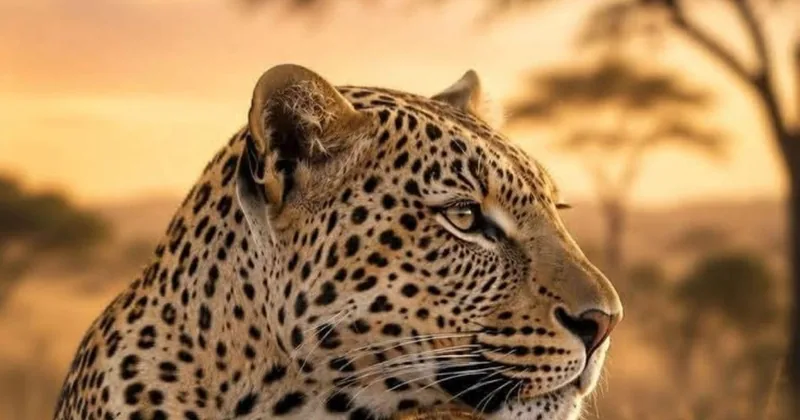
National Park, Baby Elephants & Giraffe Centre
- Hotel pickup and drop-off
- Driver-guide
- 4x4 or van with an open roof
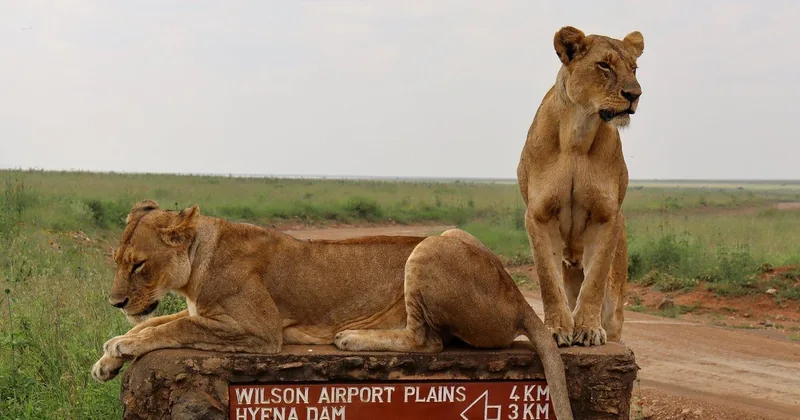
Nairobi National Park, Orphanage & Giraffe Centre
A longer game drive before the elephants and giraffes
Elephant Orphanage & Giraffe Centre Tour
- Hotel pickup and drop-off
- Elephant orphanage reservation and entry
- Giraffe Centre entry