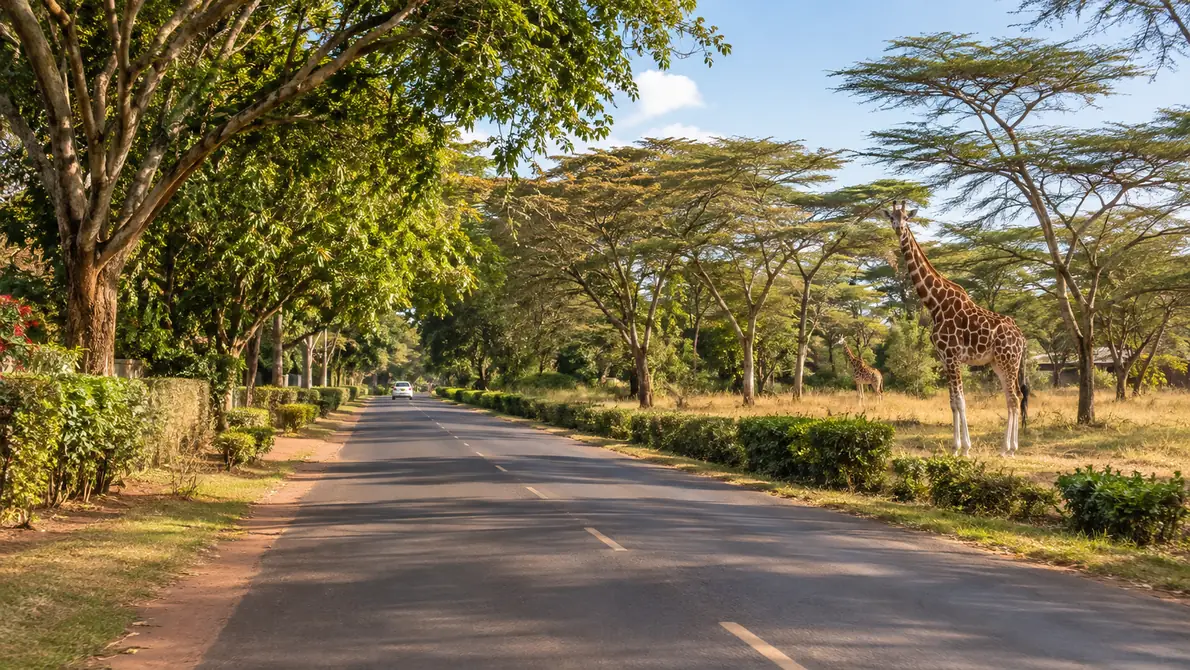
Booking choice: The Giraffe Centre feeding tour, from $38 per person. Check dates Tour details
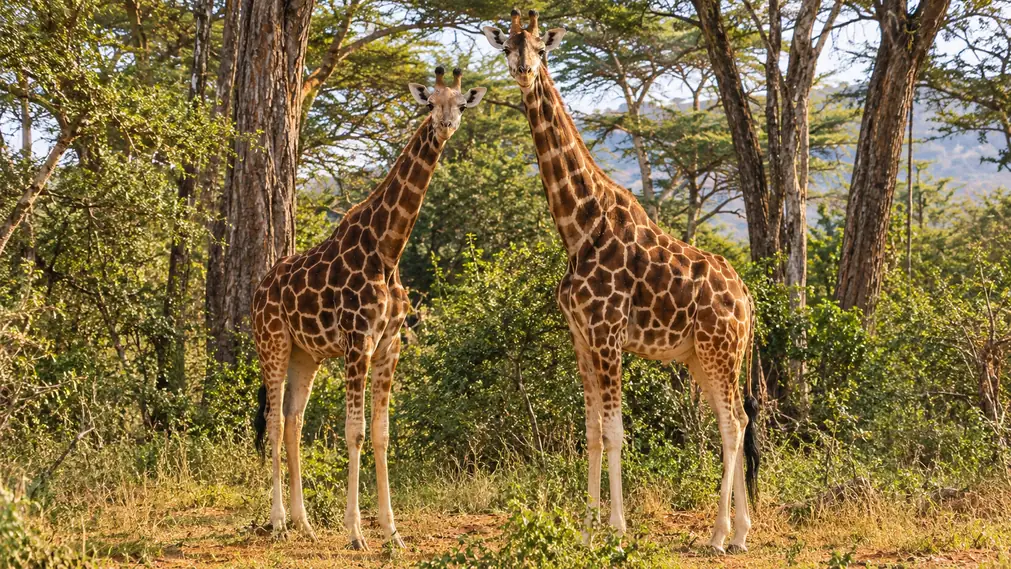
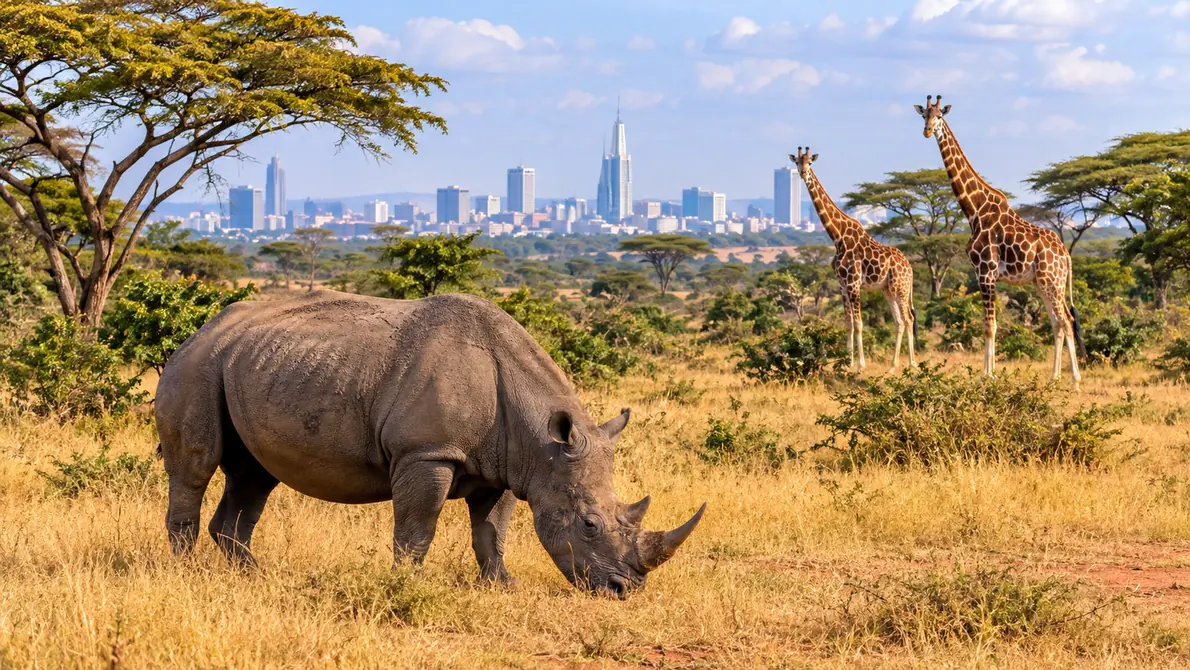
The Giraffe Centre is run by AFEW Kenya (the African Fund for Endangered Wildlife), which Jock and Betty Leslie-Melville founded in 1979 to save Rothschild's giraffe, now usually classified as the Nubian giraffe. Their first two giraffes were Daisy and Marlon. Today the centre cares for 10 giraffes on a sanctuary on Nyumbi Road, off Duma Road, and the Giraffe Conservation Foundation's 2025 report puts the Nubian giraffe population in Kenya at about 1,281, a subspecies still listed as Critically Endangered.
A visit is easy to plan. You pay at the booth, an educator hands you pellets, and you climb the platform. The planning questions are the fee, the payment method and the time of day, and most tours from Nairobi handle the rest: hotel pickup, a driver who knows Duma Road, and the elephants or a game drive on the same morning.
The quick answer
A non-resident adult ticket costs KSh 1,500 (about US$11 to 12 at the Central Bank of Kenya rate of October 2026), children aged 3 to 12 pay KSh 750 and under-3s go free. The centre's FAQ lists M-Pesa, Visa and Mastercard as payment. It opens 9am to 5pm every day, including weekends and public holidays, and a visit takes 1.5 to 2 hours. Weekdays are busiest from 11am to 1pm.
How much is the Giraffe Centre entry fee in 2026?
KSh 1,500 for a non-resident adult and KSh 750 for a non-resident child (3 to 12), per the centre's FAQ. Residents pay KSh 400 and KSh 200, and children under 3 go free.
The fees on the Giraffe Centre's own FAQ and homepage are the same in November 2026 as they were before, and no fee change has been announced. The table has every rate:
| Visitor | Fee | Note |
|---|---|---|
| Non-resident adult | KSh 1,500 | About US$11 to 12 (CBK rate, October 2026) |
| Non-resident child, 3 to 12 | KSh 750 | Students under 23 with a valid student ID pay this rate |
| Resident adult | KSh 400 | East African Community citizens and work-permit holders, with ID |
| Resident child, 3 to 12 | KSh 200 | Proof of residency for the family |
| Children under 3 | Free | |
| School groups | Free | Booked at least one week ahead |
Residents means citizens or work-permit holders of the East African Community countries (Kenya, Uganda, Tanzania, Rwanda, Burundi, DR Congo, South Sudan), with a national ID, passport or alien card to show. The FAQ still says "about $15" for the adult fee, which is why tour listings write "$15". At the October 2026 exchange rate the shilling price works out lower, at roughly US$11 to 12.
About 90% of the money from tickets, the gift shop and the Tea House goes to conservation and education, per the centre. A ticket here is a donation as much as an entry fee.
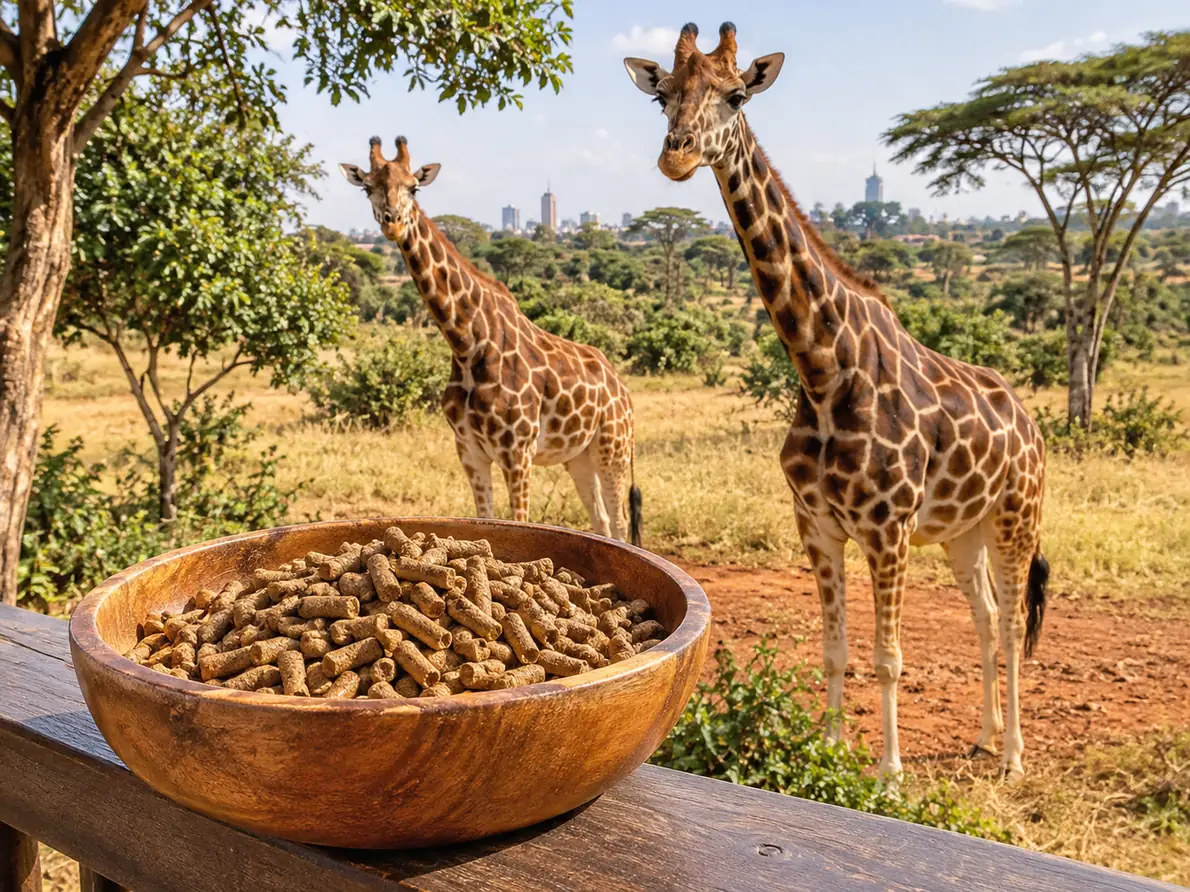
How can I pay to visit the Giraffe Centre?
The centre's FAQ lists M-Pesa, Visa and Mastercard (credit or debit). Bring a card, or M-Pesa if you have a Kenyan line.
You pay at the booth by the entrance. The notice board just to the right of it shows a map of the grounds, the current notices and the centre's feeding recommendations, so read it while you wait.
On a tour, check the listing for who pays. Some tours put the entry fee in the price, others leave it for you to pay on the day, per each listing:
- Fee in the price: the elephants and giraffes tour and the Sheldrick and Giraffe Centre tour include the Giraffe Centre fee, and the Giraffe Centre and Karen Blixen tour includes every entry fee.
- Fee on the day: the guided feeding tour, the shared park, elephants and giraffes day and most game-drive combinations list the centre fee as "$15" paid on the day.
For a combined day, the easy rule: a card for the giraffes, US dollars in cash for the elephant nursery donation, and the park fee paid online through eCitizen.
Just the giraffes in about three hours: hotel pickup, a guide on the platform and the nature trail, with the entry paid at the booth.
Check dates for the Giraffe Centre feeding tourWhat are the opening hours of the Giraffe Centre in Nairobi?
9am to 5pm every day of the year, weekends and public holidays included, per the centre's FAQ. Plan 1.5 to 2 hours for a visit.
The centre calls 9am to 5pm its feeding times, so the giraffes are fed all day, not at one session. School groups come in from 9am to noon.
For crowds, the centre is clear: weekdays are busiest from 11am to 1pm, and weekends and public holidays are busy all day. The quiet slots are the 9am opening and mid-afternoon on a weekday. If you want the platform rail to yourself for a photo, go at opening.
Tours that also visit the elephant nursery come to the giraffes after the nursery's fixed hour (11am to noon), which lands in the busy window. It is still worth it: a guide gets you to the rail. One more date to know: the centre closed for one day on 28 March 2026 and reopened on 29 March, and its homepage now shows a "We are open" banner.
What do you do at the Giraffe Centre?
Feed the giraffes from the ground and from the raised platform, hear a short talk at the Information Centre, and walk the 1.5 km nature trail. All of it is in the ticket.
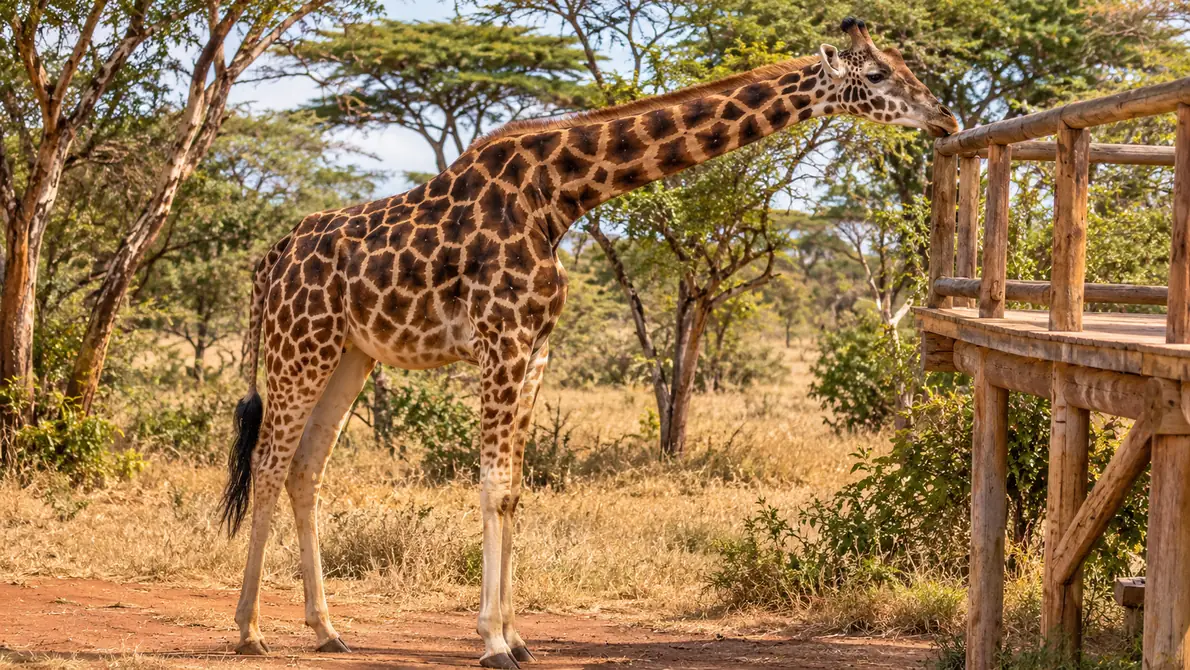
- Feeding. An educator in khaki hands you pellets at the browsing area, and the feeding platform brings you level with the giraffes' heads. Follow what the educators show you and the notice by the booth.
- The talk. A short lecture at the Information Centre explains why the giraffe is protected and how the centre's breeding work started. Student artwork is sold there too, and the money pays for ecology trips.
- The nature trail. A free 1.5 km path down to the Gogo River and a view point towards the Ngong Hills, back past the Warthog Den. The centre's record is 60 bird species on one walk, and you may see dik-diks and squirrels.
- The shop. The Daisy Zoovenir Shop stocks goods from over 50 suppliers, and sells gift cards.
The educators are Environmental Studies students who volunteer at the centre, and tips are encouraged. Warthogs wander the grounds, so watch your step on the trail.
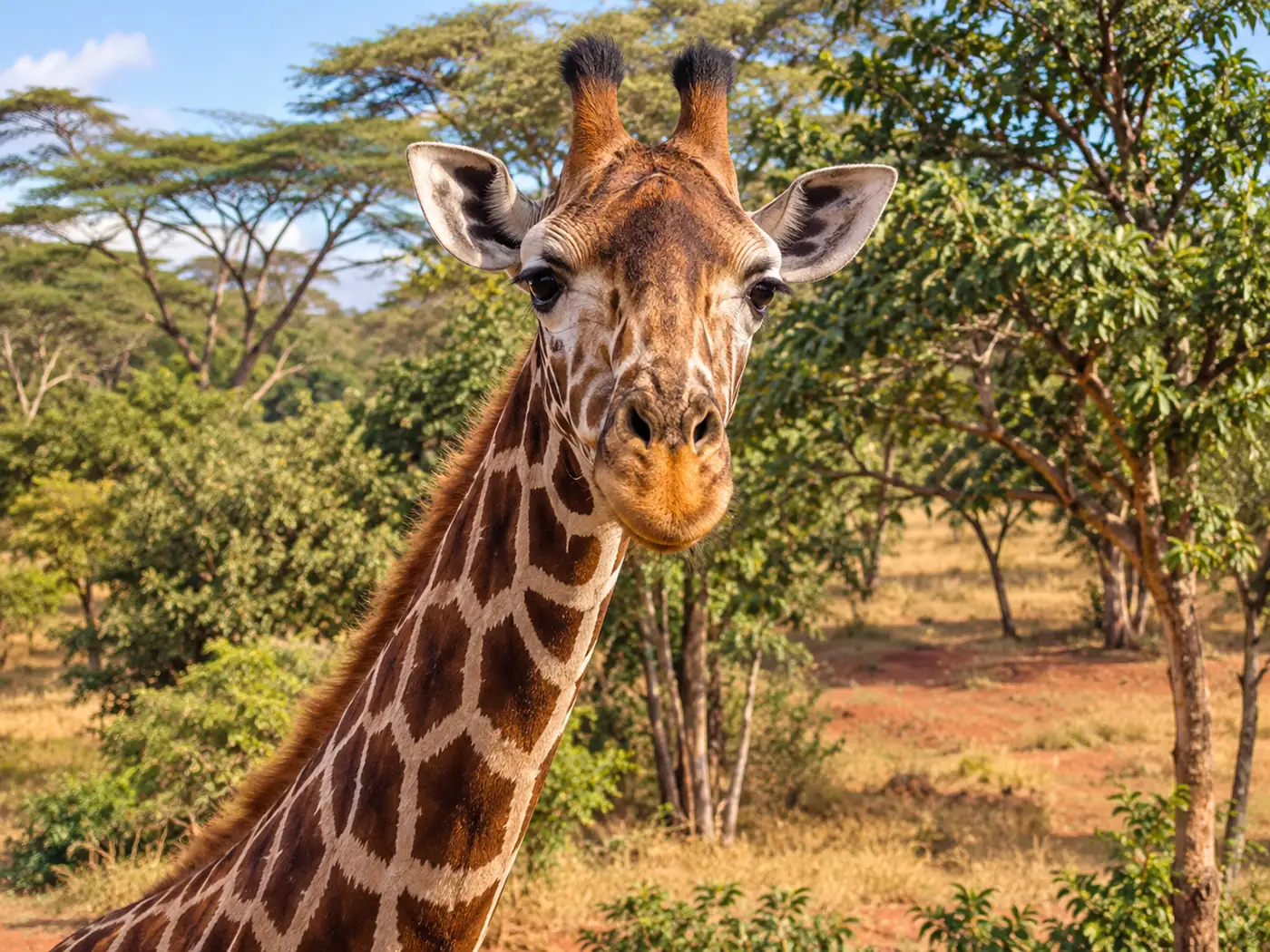
Is there a restaurant at the Giraffe Centre?
There is a Tea House for snacks and refreshments with a view of the giraffes, not a full restaurant menu. The centre doesn't publish a menu or prices.
The Tea House is where most people sit down after the platform, and its sales go to the same conservation work as your ticket. For a proper lunch, tours stop elsewhere: the shared park, elephants and giraffes day includes a lunch stop where you buy your own food, per the listing, and the elephant nursery has no refreshments at all, per the Sheldrick Wildlife Trust.
If you are planning a full day, our Nairobi one-day itinerary puts lunch between the morning stops and the afternoon in Karen.
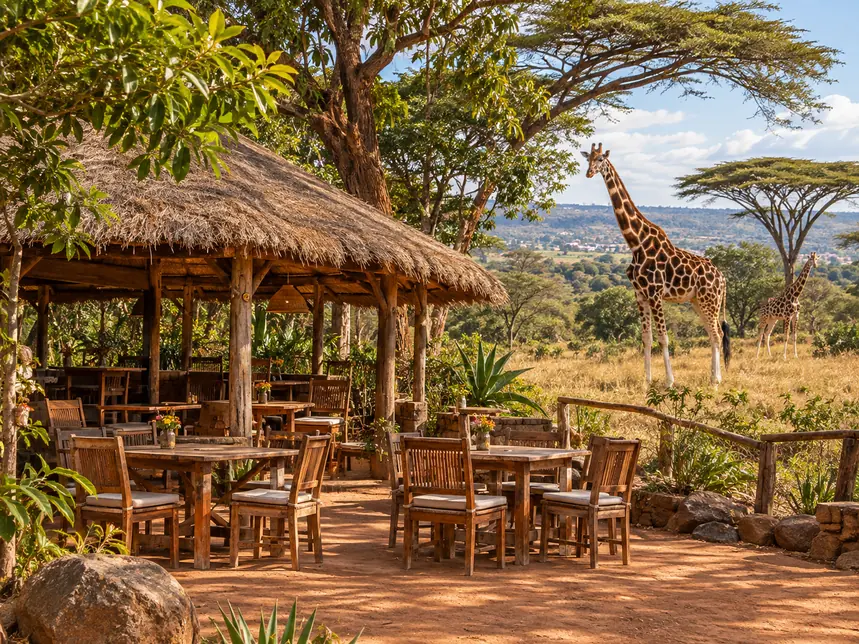
How do I get to the Giraffe Centre in Nairobi?
The centre is on Nyumbi Road, off Duma Road, in Lang'ata, about 15 km and roughly 40 minutes from the city centre, per the centre. Google Maps takes you to the gate.
Three ways in:
- A tour with hotel pickup. The easiest. The guided feeding tour collects you from your hotel and brings you back in about three hours, and the combined days add the elephants or the national park.
- A taxi or ride-hailing car. Uber, Bolt and hotel taxis all do the trip. Canada's travel advice for Kenya recommends reputable services and checking the licence plate before you get in.
- Your own driver. Ask the driver to wait: the visit is short, and getting a car back from Lang'ata is easier if it is already there.
The Karen Blixen Museum, the bead workshops and the elephant nursery's gate are all in the same south-west corner of Nairobi, around Lang'ata and Karen, which is why tours combine them.
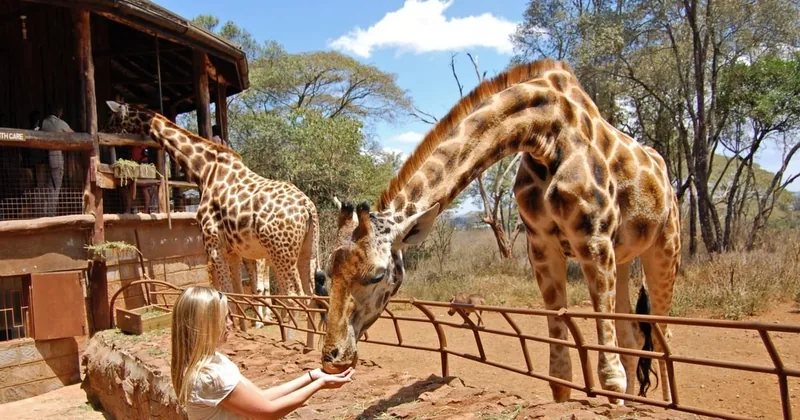
The 11am elephant hour and the giraffes with both entrance fees in the price, a reserved nursery slot and hotel pickup.
Explore the elephants and giraffes tour with fees included Tour detailsWhich Giraffe Centre tours include the entry ticket?
Three of the tours on this site include the Giraffe Centre fee; the rest leave it to the day as "$15" per the listing.
A quick comparison of the tours that stop at the giraffes, with what each listing says about the fees:
| Tour | From | Giraffe Centre fee | Other fees on the day, per the listing |
|---|---|---|---|
| Guided feeding tour | $38 | On the day | Food |
| Park, elephants and giraffes, shared | $35 | On the day ($15) | Park fee, nursery US$20 |
| Elephants and giraffes, fees in | $90 | Included | Park fee online via eCitizen |
| Sheldrick and Giraffe Centre | $90 | Included | Park fee online via eCitizen |
| Giraffe Centre and Karen Blixen | $99 | Included | Tips only |
| Giraffes, Karen Blixen and beads | $50 | On the day ($15) | Karen Blixen Museum |
Which one? For the giraffes alone, the feeding tour. For the giraffes and baby elephants with the fewest payments on the day, one of the two tours with fees included. For a game drive as well at the lowest price, the shared day. Our national park guide explains the park fee.
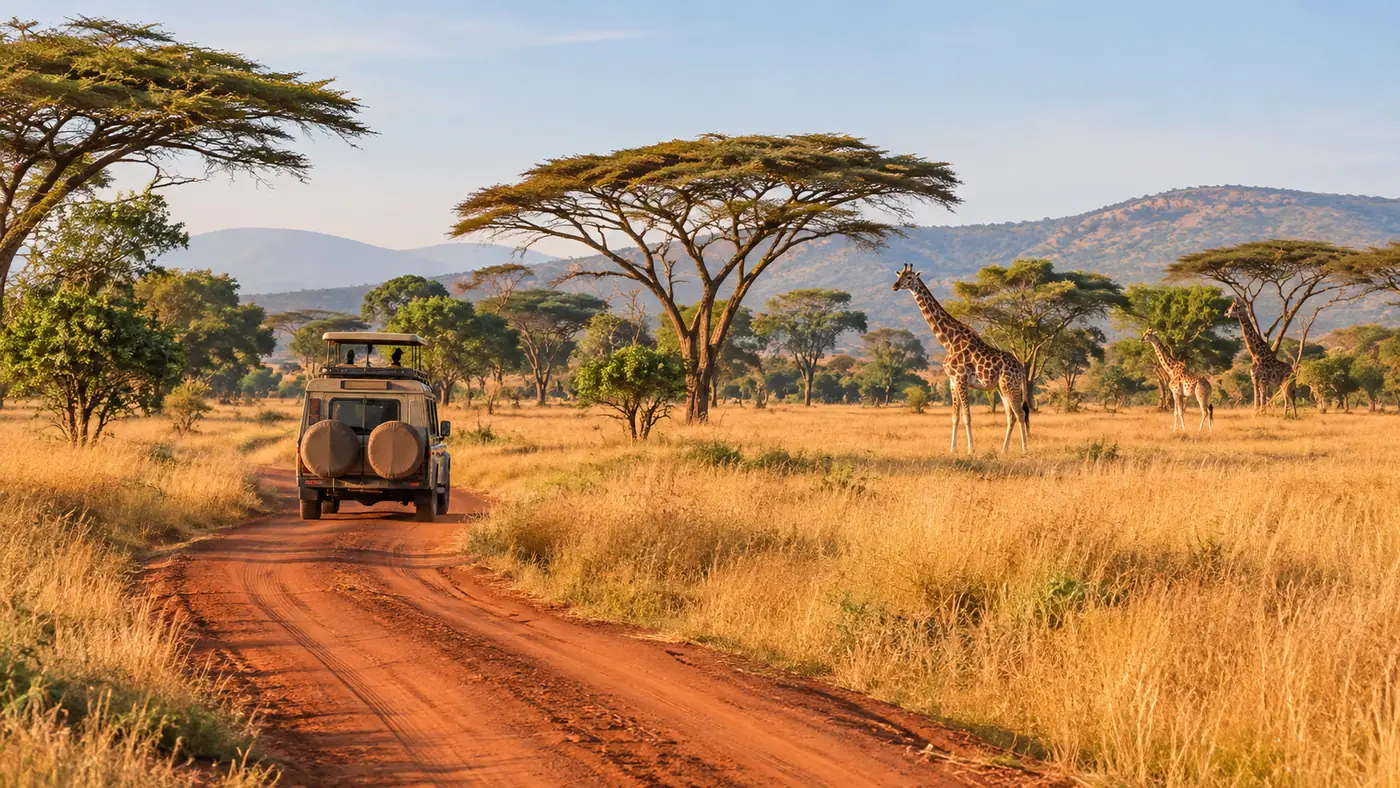
A game drive at dawn, the 11am elephant visit and the giraffes in one shared day, with hotel pickup from 5:20am.
Check dates for the park, baby elephants and giraffes tourIs the Giraffe Centre in Nairobi worth visiting?
Yes. For KSh 1,500 you get close to an endangered giraffe, a talk, a forest walk and a cup of tea, and most of the money goes to conservation.
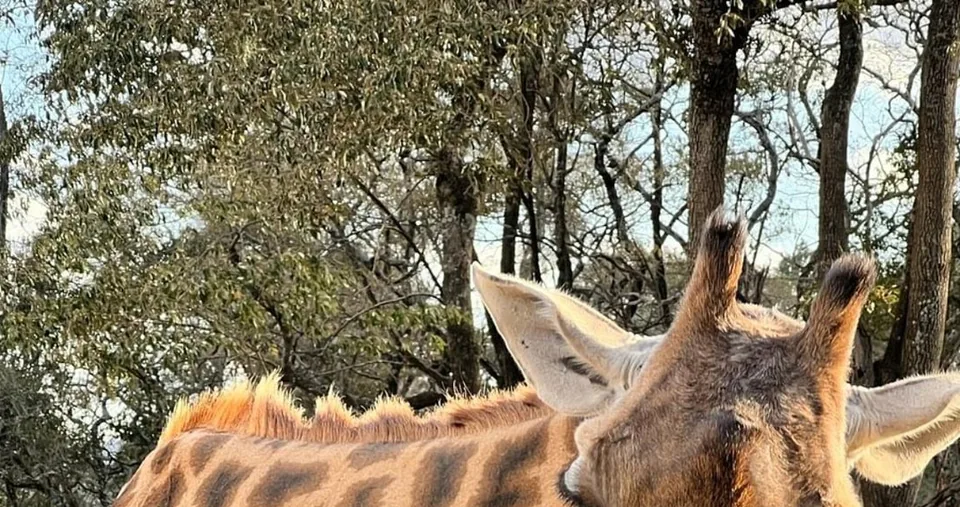
It is a short visit, 1.5 to 2 hours, and that is part of the appeal: it fits into a morning with the elephants or an afternoon in Karen. The moment people remember is the platform, a giraffe's head at your shoulder and a long dark tongue taking the pellet. Children love it, and so do adults who expected to be unimpressed.
The centre's work is real. AFEW Kenya's breeding herd has sent giraffes to Lake Nakuru National Park, Ruma, Nasolot, Soysambu, Kigio and Sergoit, and in January 2026 three young Nubian giraffes came in from Soysambu Conservancy with KWS to widen the gene pool (our post on the new giraffes).
★★★★★The elephant conservancy was very educational, and feeding the giraffes was an absolute highlight.
Frequently asked questions
Do I need to book Giraffe Centre tickets in advance?
No advance booking is asked of individual visitors in the centre's FAQ: you pay at the booth on arrival. School groups must book a week ahead. On a tour, your operator handles the timing.
Are children free at the Giraffe Centre?
Children under 3 go free. Non-resident children aged 3 to 12 pay KSh 750, and students under 23 with a valid student ID pay the same rate.
Can I see the Giraffe Centre and the elephant orphanage on the same day?
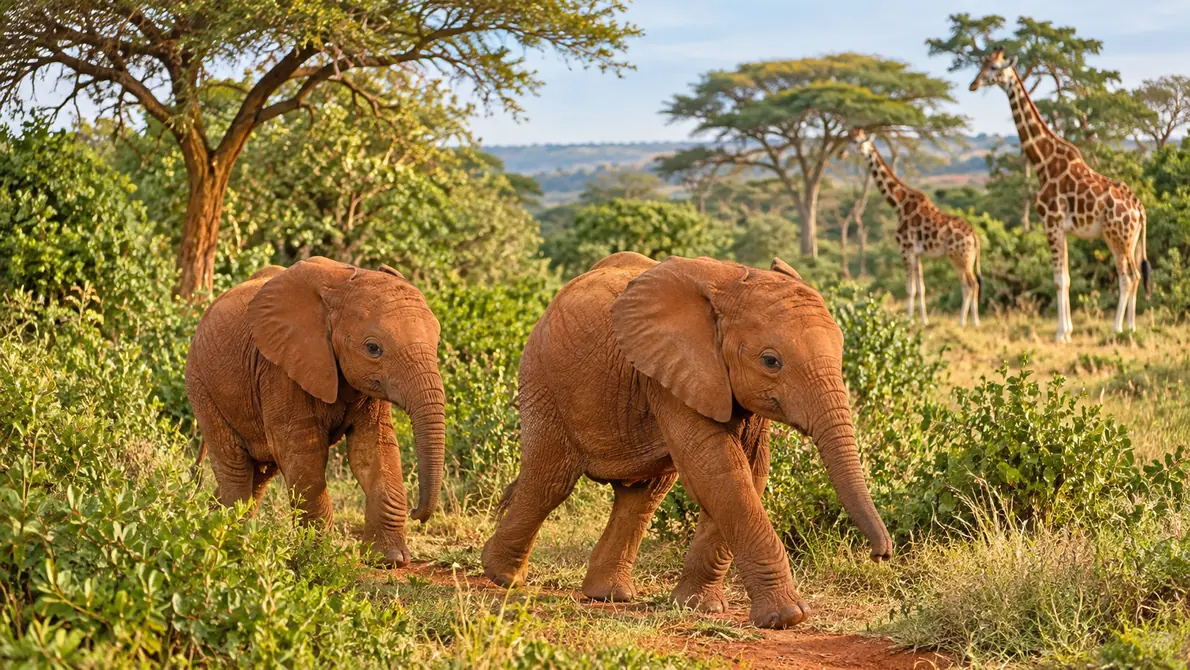
Yes. The Sheldrick nursery's public visit runs from 11am to noon, so most tours go to the elephants first and the giraffes after midday.
Does the Giraffe restaurant still exist?
That usually means the UK family-restaurant chain giraffe, which has no link to the Giraffe Centre. Its owner closed the high-street sites, and the brand continues at airports, per the trade press. In Nairobi, the place to eat beside the giraffes is the centre's Tea House.
Ready to book
Choose your tour
Free cancellation up to 24 hours before on every option. Prices are from-prices in USD and move with the season.
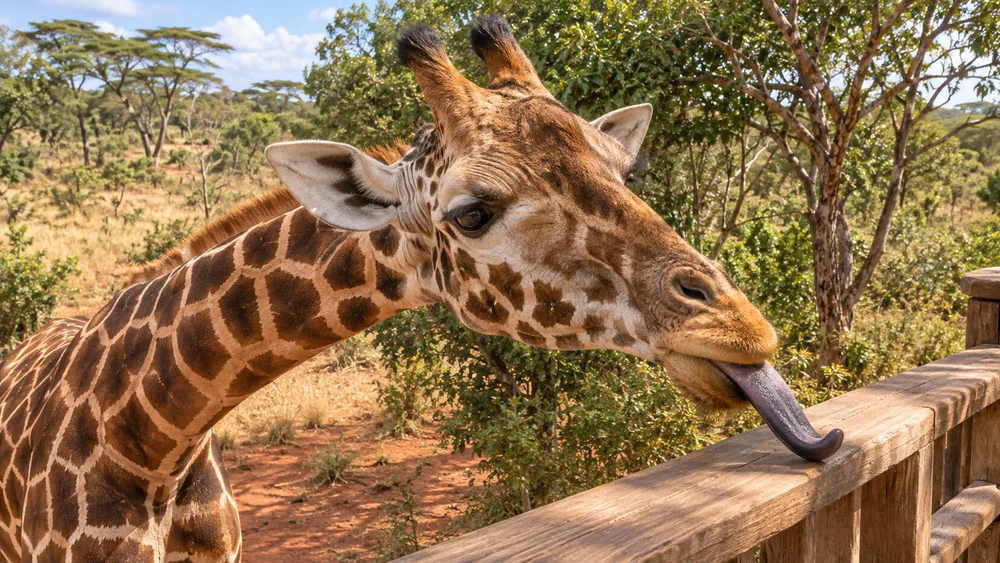
Guided Giraffe Centre Feeding Experience
- Hotel pickup and drop-off
- Professional guide
- Guided visit to the Giraffe Centre
Elephant Orphanage & Giraffe Centre Tour
- Hotel pickup and drop-off
- Elephant orphanage reservation and entry
- Giraffe Centre entry
National Park, Baby Elephants & Giraffe Centre
- Hotel pickup and drop-off
- Driver-guide
- 4x4 or van with an open roof