Booking choice: The Giraffe Centre feeding tour, from $38 per person. Check dates Tour details
This post follows the Giraffe Centre's own homepage, the KWS statement as Capital FM reported it on 21 January 2026, the centre's About page and the Giraffe Conservation Foundation (GCF), whose State of Giraffe 2025 report has the latest numbers.
The short version: three young giraffes, one long-running breeding project, and nothing different about your visit except a slightly bigger family.
The quick answer
On 21 January 2026 KWS moved three young giraffes, aged 2 to 3, from Soysambu Conservancy near Naivasha to the Giraffe Centre, to improve genetic diversity and prevent inbreeding. The centre welcomed them to its breeding tower in partnership with Soysambu and KWS. The centre now cares for 10 giraffes and is open every day from 9am to 5pm.
Which new giraffes arrived at the Giraffe Centre in 2026?
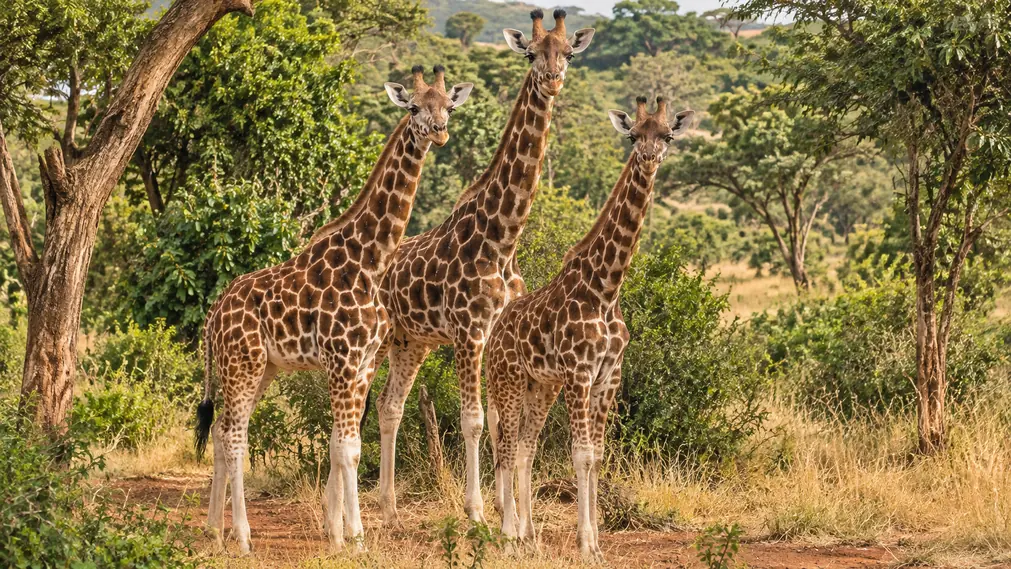
Three young Nubian giraffes, aged 2 to 3, moved by KWS from Soysambu Conservancy near Naivasha on 21 January 2026.
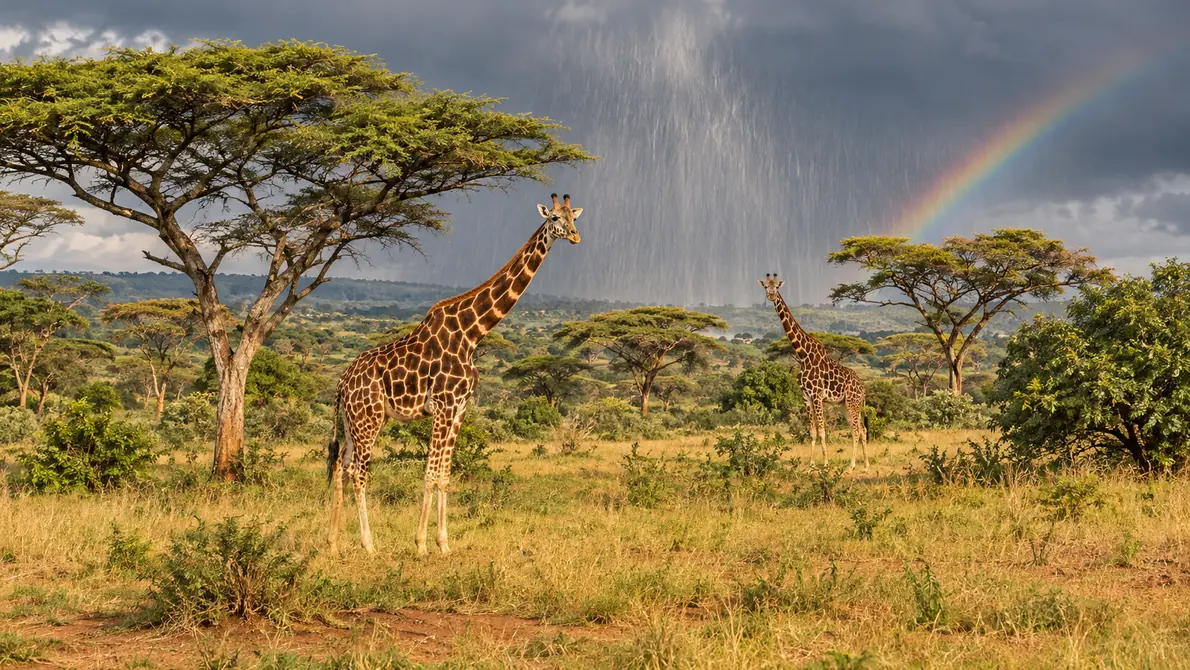
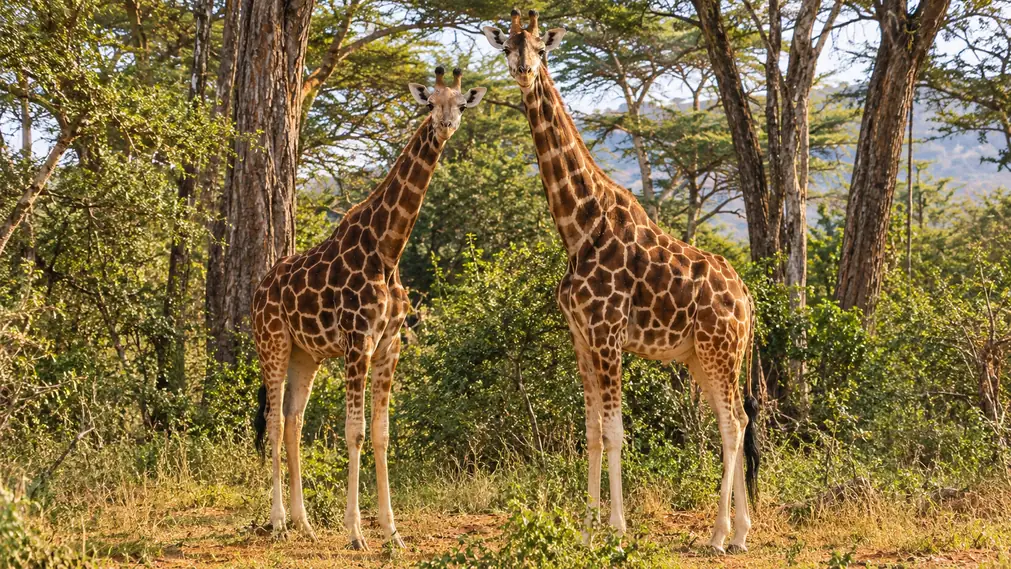
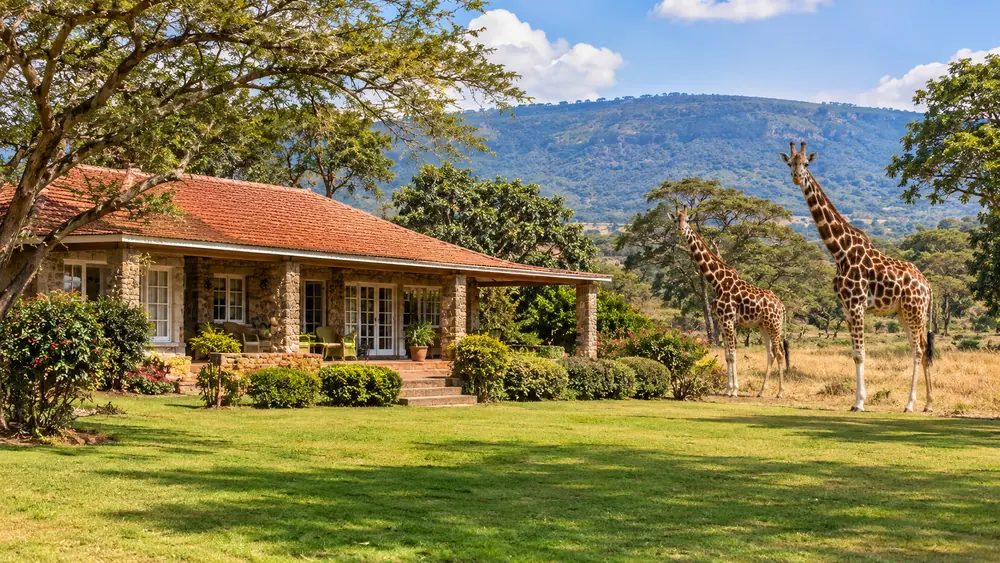
The centre announced them on its homepage: three Nubian giraffes welcomed to its breeding tower, in partnership with Soysambu Conservancy and the Kenya Wildlife Service. The animals are Rothschild's giraffes, now usually classified as the Nubian giraffe, a subspecies of the northern giraffe. You will see both names.
KWS said they would be monitored at the centre and take part in its education work for visitors and local communities.
Why did KWS move the giraffes to Nairobi?
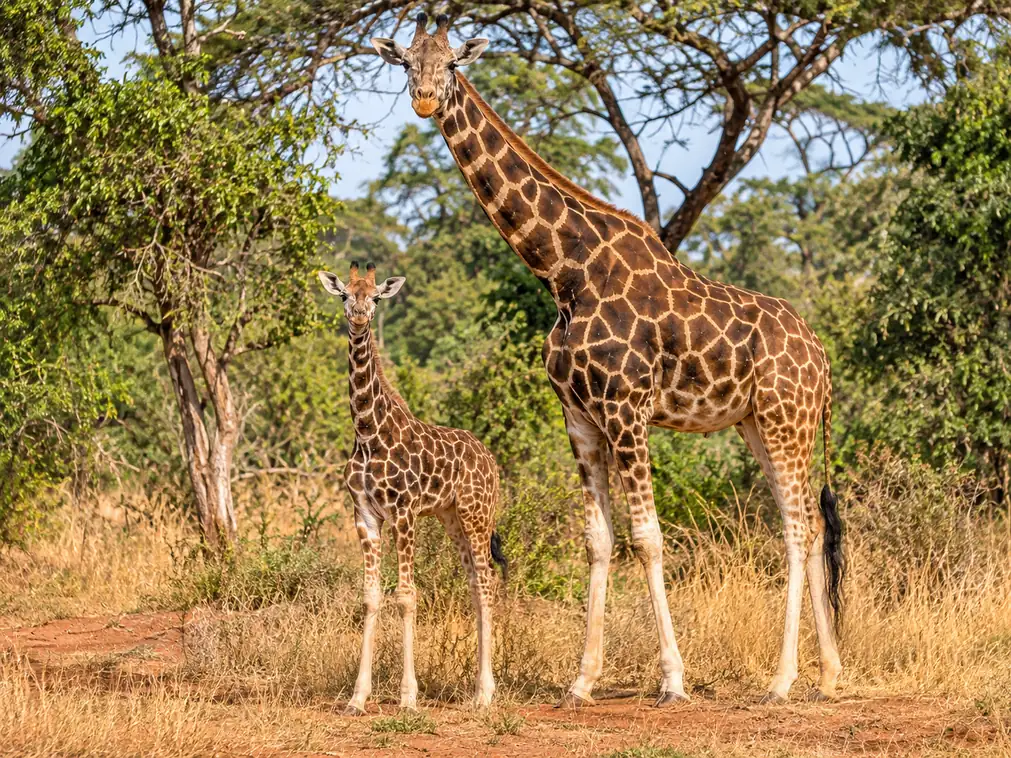
To widen the gene pool. KWS said the move boosts genetic diversity, cuts the risk of inbreeding and supports the long-term survival of Kenya's Nubian giraffes through breeding.
“Translocations like this are critical to maintaining healthy, genetically diverse populations of endangered species,” KWS said in its statement.
The reason is geography. According to the GCF, Kenya's Nubian giraffes live only in national parks, private reserves and other protected areas, cut off from each other, so mixing the bloodlines needs human help. Every one of those populations was introduced from private land for conservation. The largest is at Ruma National Park, followed by Soysambu and Lake Nakuru, per the GCF. A small herd like the centre's benefits from fresh genes as much as any.
Can you see the new giraffes when you visit?
The centre cares for 10 giraffes, per its homepage. Which ones come to the platform is up to the giraffes, and the educators will tell you who is who.
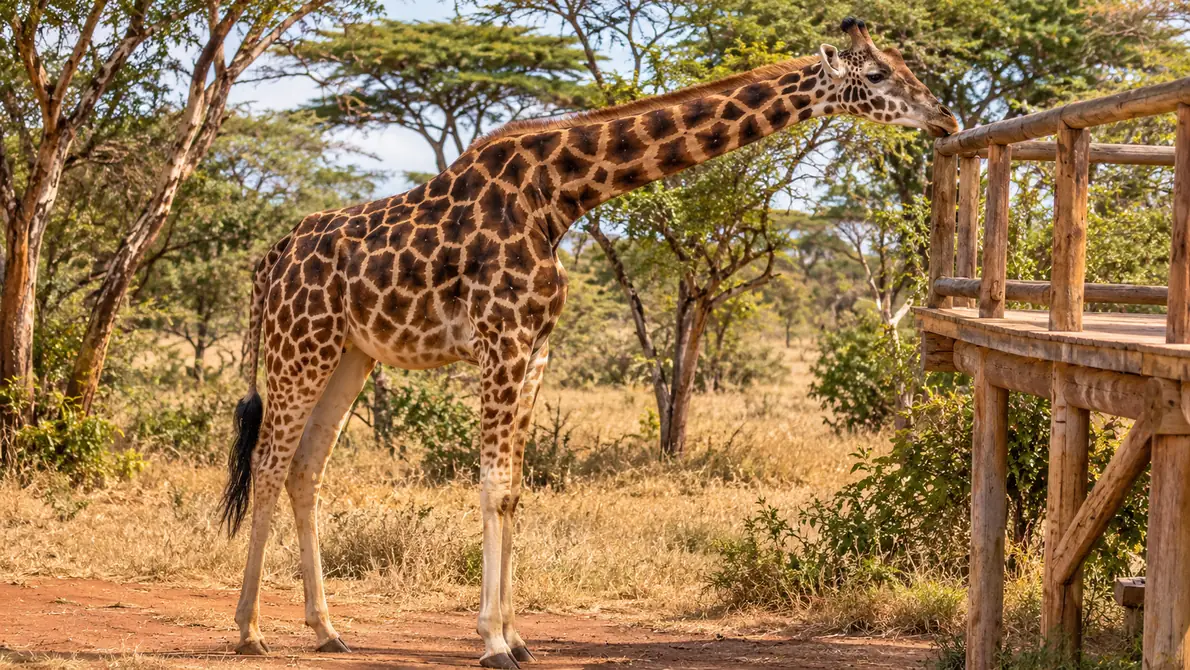
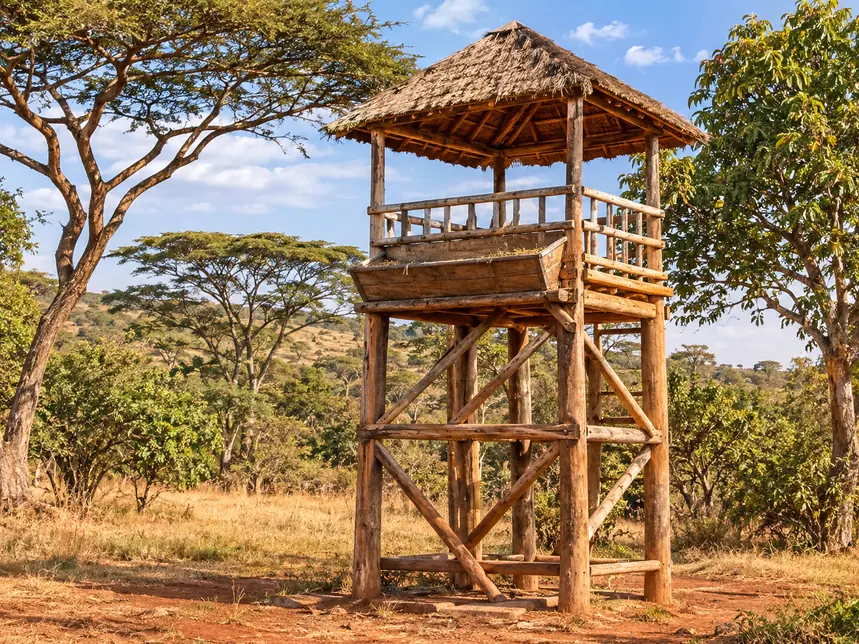
A visit runs the same way it always has. You feed from the raised platform or at the browsing area, with pellets of corn, wheat, grass and molasses handed out by the centre's educators, and you follow the feeding notice by the payment booth. Plan 1.5 to 2 hours, per the centre, and add the 1.5 km nature trail if you have time.
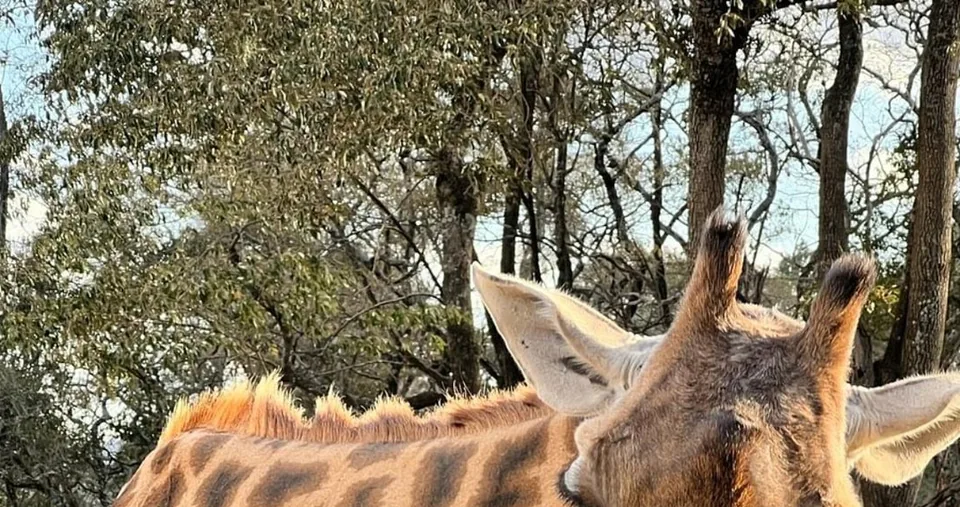
Ask about Daisy IV, named after Daisy I, the centre's first giraffe in 1979. The centre has also shared a health update: Daisy IV's calf has a right front leg deformity and is receiving care with the Kenya Wildlife Service.
Bethany (Oct 2026) on the guided feeding tour: “Monica was an excellent guide, she was attentive knew the giraffes well and took amazing photos.”
A guide, hotel pickup and three hours with the giraffes, the platform and the trail.
Check dates for the Giraffe Centre feeding tourHow does the Giraffe Centre's breeding programme work?
Since 1979 AFEW Kenya has bred Rothschild's giraffes at Lang'ata and moved young herds out to parks and conservancies. More than 300 now live in Kenyan parks, per the centre.
It started with a rescue. By the late 1970s the giraffes had lost their habitat in western Kenya, and only 130 were left on the 18,000-acre Soy Ranch, which was being subdivided. Jock and Betty Leslie-Melville brought two young giraffes, Daisy and Marlon, to their home in Lang'ata and began breeding them. They founded the African Fund for Endangered Wildlife (AFEW) Kenya the same year.
Over the decades the centre has released dozens of giraffes into the wild, over 30 by its own figures. Soysambu appears on its list of places where recent herds went. In January 2026 the traffic ran the other way.
| When | What happened |
|---|---|
| 1979 | Daisy and Marlon, the first two giraffes, come to the Leslie-Melvilles' home in Lang'ata |
| Early years | Breeding herds go to Ruma (now a national park), Lake Nakuru National Park and Nasolot Game Reserve |
| 1985 | Seven giraffes go to Yodder Flower Farm near Mwea |
| Recent years | Herds placed at Soysambu Ranch, Kigio Conservancy and Sergoit Ranch |
| 21 January 2026 | Three young giraffes come the other way, from Soysambu Conservancy to the centre |
How many Nubian giraffes are left in Kenya?
About 1,281, according to the GCF's State of Giraffe 2025 report, out of about 3,977 Nubian giraffes in the wild. The Nubian giraffe is listed as Critically Endangered.
The ranges are wide because counting giraffes across scattered reserves is hard: 1,034 to 1,509 for Kenya. The same report recommends moving the Nubian giraffe down a step, to Endangered. In 2025 the IUCN's giraffe specialist group also recognised four giraffe species, with the Nubian giraffe as a subspecies of the northern giraffe.
The scale of the loss is the reason for all this care. The GCF says giraffe numbers fell by up to 95% in some once-prime habitats over 35 years.
| Figure | GCF State of Giraffe 2025 |
|---|---|
| Nubian giraffe in Kenya | About 1,281 (range 1,034 to 1,509) |
| Nubian giraffe in the wild, all countries | About 3,977 (range 3,096 to 4,862) |
| Northern giraffe, all subspecies | About 7,037 |
| IUCN status of the Nubian giraffe | Critically Endangered (the report recommends downlisting to Endangered) |
| Giraffes in the Giraffe Centre's care | 10, per the centre |
How do you visit the Giraffe Centre in 2026?
It is open from 9am to 5pm every day, public holidays included. A non-resident adult pays KSh 1,500, by card or M-Pesa, about US$11 to 12 at the October 2026 rate.
The centre is on Nyumbi Road, off Duma Road in Lang'ata, about 15 km and roughly 40 minutes from the city centre, per the centre. Weekdays from 11am to 1pm and weekends are the busy times; opening time or mid-afternoon on a weekday is calmer.
Most visitors come on a tour that pairs the giraffes with the elephant nursery and a game drive. The classic morning does all three from $35, and the Karen Blixen tour keeps every entrance fee in one price. The Giraffe Centre tickets guide covers the rest.
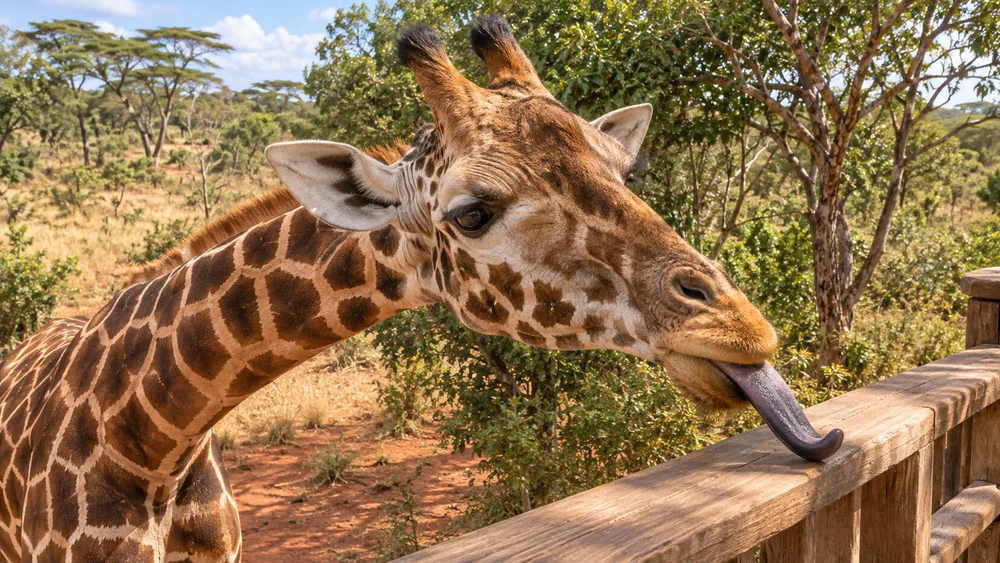
Just the giraffes: hotel pickup, a guide and time on the platform and the nature trail.
Explore the Giraffe Centre feeding tour Tour detailsFrequently asked questions
Are there new giraffes at the Giraffe Centre?
Yes. Three young Nubian giraffes, aged 2 to 3, came from Soysambu Conservancy near Naivasha on 21 January 2026, moved by the Kenya Wildlife Service.
How many giraffes are at the Giraffe Centre?
The centre cares for 10 Rothschild's giraffes, now usually classified as the Nubian giraffe.
Why were the giraffes moved to the Giraffe Centre?
To improve genetic diversity and prevent inbreeding, KWS said. Kenya's Nubian giraffes live in separate protected areas, so mixing bloodlines needs human help.
Is the Giraffe Centre open in 2026?
Yes. It is open every day from 9am to 5pm, including weekends and public holidays, and the non-resident adult fee is KSh 1,500.
Ready to book
Choose your tour
Free cancellation up to 24 hours before on every option. Prices are from-prices in USD and move with the season.
Guided Giraffe Centre Feeding Experience
- Hotel pickup and drop-off
- Professional guide
- Guided visit to the Giraffe Centre
National Park, Baby Elephants & Giraffe Centre
- Hotel pickup and drop-off
- Driver-guide
- 4x4 or van with an open roof
Giraffe Centre & Karen Blixen Museum
Giraffes and the Out of Africa house in one price